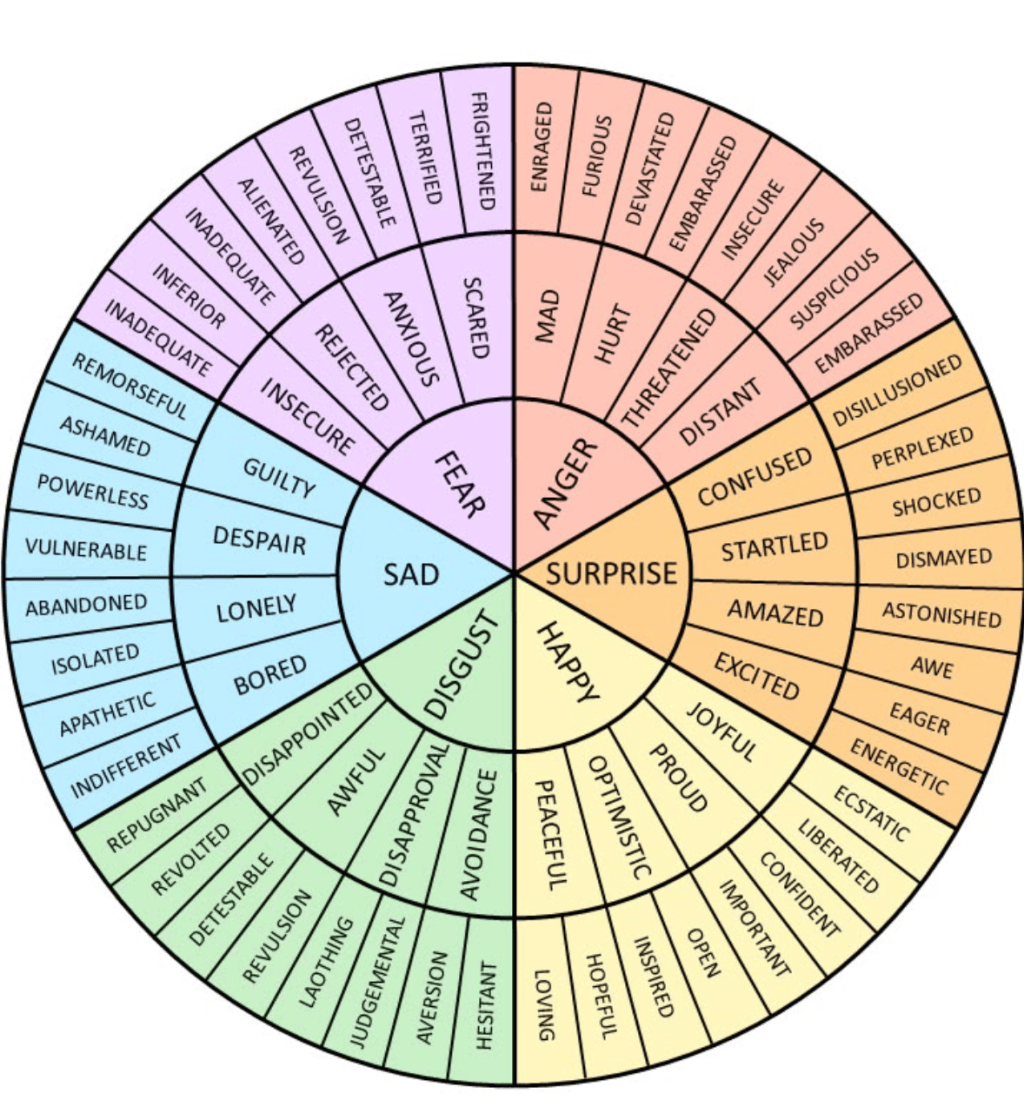
Self awareness is a gift, though sadly most people don’t have it. Self awareness includes the ability to read our own and other emotions correctly while holding data and intelligence in the same basket. Avoiding emotions causes blockage otherwise known as anxiety and eventually depression.
Culturally emotion is gendered, where being emotional” is a sign of weakness. Unfortunately this grabs our collective imagination into a tailspin of confusion where we spend our lives walking backwards and blindfolded by not having awareness and vocabulary for the emotions of self and others. Reminder that this is not a suggestion to follow emotions – simply observing them is the key.
Intellect has won the day in modern society, and yet some of the biggest tragedies happen from people ignoring emotional factors. Doctors and medical personal who work in urgent care settings are often required to watch movies such as Charlie Victor Romeo, not because they will intellectually learn to deflect emotions in a moment of crisis. Instead they will learn that the biggest mistakes happen when emotions are not named in the moment as a way to clarify best next steps and powerful forces in our choices. Prevention and proactive ways to manage emotions are key.
As much as emotions feel singular and isolating, we can manage emotions with each other: we are built to co-regulate, meaning connecting with others through navigating emotions is powerful and healing. Sharing emotions bring people closer, even the conflict of emoions and “negative” emotions. The key is to not absorb others emotions, simply observe them. When an emotion is scary or uncomfrtable, its possible to observe the emotion in another like its a movie instead of assuming it’s now our challegne to fix or advise. Nope – this is simply observation and it passes like the weather – weather patterns including duration and severity may vary.
When depressed we will have universal negative thinking, so it is unsafe to “trust our emotions” in these moments. Following emotions when in a depressed state is akin to believing that locking our keys in our cars is the safest way to keep our car from being stolen. Distorted thinking shows up and makes bad choices.
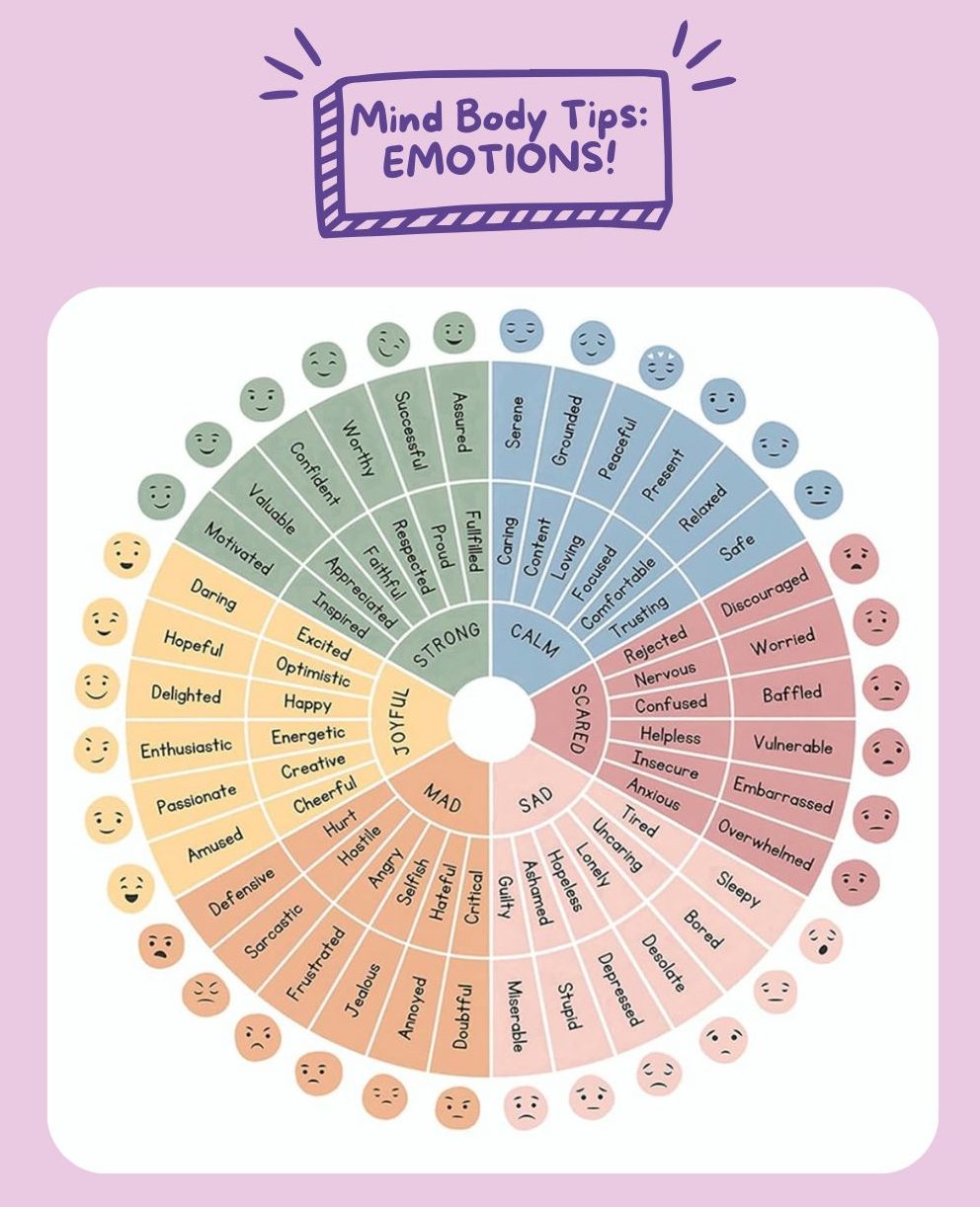
Here’s an invitation to start getting a better vocabulary around emotion: yes knowing the difference between anger and disapointment is a flex. Try out this free app “How We Feel” to begin your journey on a smarter use of emotion to fuel your journey versus direct your journey.
Evidence-Based Strategies for Managing Emotions
(compiled from Institute of Applied Conflict Resolution and Mediation)
- Practice Emotional Awareness and Labeling
Research shows that identifying and naming emotions reduces their intensity through “affect labeling,” which decreases amygdala activity (Lieberman et al., 2007). Try this: When you notice an emotion, pause and ask: “What exactly am I feeling?” Be specific—instead of “bad,” try “frustrated” or “overwhelmed.”
- Develop Distress Tolerance
Studies show that accepting difficult emotions, rather than fighting them, leads to better outcomes (Hayes et al., 2006). Try this: Remind yourself: “This feeling is uncomfortable, but not dangerous. I can handle this.” Practice breathing slowly and notice where you feel the emotion without trying to change it.
- Use Cognitive Flexibility
Cognitive reappraisal—changing how we interpret events—is one of the most effective emotion regulation strategies (Gross, 2002). Try this: Ask yourself, “Is there another way to look at this situation?” This isn’t about toxic positivity, but finding more balanced perspectives.
- Build Your Emotional Vocabulary
People with richer emotional vocabularies have better regulation skills (Barrett et al., 2001). Try this: Keep an emotion journal. Each day, write down three emotions you experienced using specific words rather than general terms.
- Create Meaning from Emotions
Research shows emotions provide valuable information about our needs and values (Keltner & Gross, 1999). Try this: Ask: “What is this emotion telling me? What need might this highlight?”
- Practice Self-Compassion
Treating yourself with kindness during difficult times leads to better emotional regulation (Neff, 2003). Try this: Ask yourself: “What would I say to a good friend in this situation?” Then offer yourself the same kindness.
- Build Social Connections
Social support is one of the most powerful factors in emotional resilience (Cohen & Wills, 1985). Try this: Identify 2-3 trusted people. Practice sharing emotional experiences with them, focusing on being heard rather than receiving advice.
For persistent emotional difficulties, professional mental health support offers evidence-based therapies like CBT, DBT, and ACT that provide comprehensive frameworks for emotional regulation.