
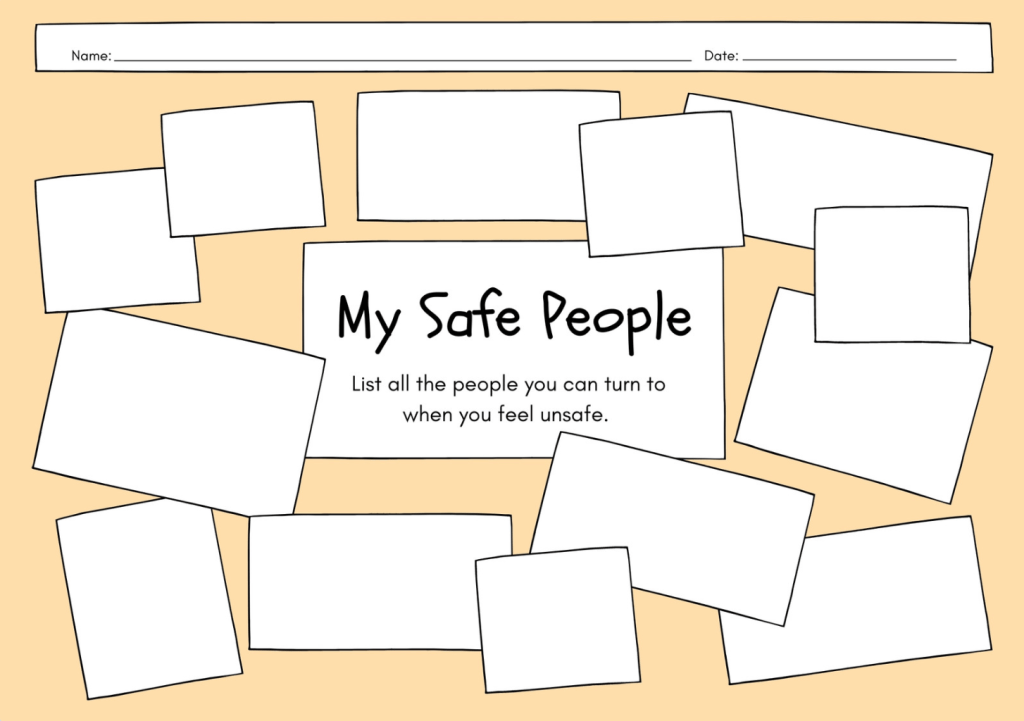
While I am a fan of challenging our comfort zones and not trying to stay in a “safe” zone all of the time, I am a proponent of having guidelines for what safe people and unsafe people in relationships might look like. This is less to be judgmental of others, and more to have clear bottom-lines and boundaries for the relationships that may or may not be nourishing to you.
Sometimes people use the word “toxic” to describe someone that feels unsafe, or there is a general intuition that hits when we meet others. While I agree that intuition is important and can help guide us, some of us have not had the best luck trusting it either due to patterns of intimacy that we are trying to reimagine or being dissociated too long from our feelings/body. Hence me sharing some guidelines or road maps.
The following general “rules” are adapted from Kenneth Adams who is an expert in troublesome patterns of intimacy, and maladaptive relationship styles.
SAFE PEOPLE
1. Tend to express their feelings in reasonable ways.
2. Tend to be compassionate, understanding and empathetic when you share your feelings.
3. Show interest in you, what you are doing and how you are feeling.
4. Are clear about who they are , what they believe, and their intentions.
5. Feel good to be around as you know where you stand with them.
6. Are willing to negotiate in a relationship: they let you know if there is a problem and are interested in knowing if you have a problem with their behavior.
UNSAFE PEOPLE
1. Tend not to reveal their feelings in reasonable ways, instead they may share them in a threatening way so you might feel intimidated, or they retreat from sharing their feelings like a “martyr” in order to make you feel guilty.
2. Don’t show empathy: they have problems taking others perspectives and being sensitive in being in others shoes.
3. Are self focused and self interested. They make most conversations about themselves.
4. Are vague about their commitments. They blame others when they are misunderstood.
5. Don’t feel “right to you”. For example narcissists tend to make you feel inadequate and unsure of yourself in order for them to feel dominate and their inability to recognize you as a separate person.
6. Don’t negotiate in relationships. They do not have good friendship histories. They have only a few friends or only subservient or dominant friends.
Notice the word “tends” is used, because there are exceptions and there is no such thing as a perfect person. Use thees guidelines to continue to be a safe and kind person to yourself as well – knowing and sharing your feelings, needs and intentions with others is a skill worth working on continually at all stages and types of relationships.







 Mindmarrow Counseling, PLLC