
- Understand that ADHD affects are ability to self regulate, and identify what areas of executive functioning (EF) are you most challenged by. When you know this, you can still hold your self to high standards and build accommodations around the areas these areas that trouble you.
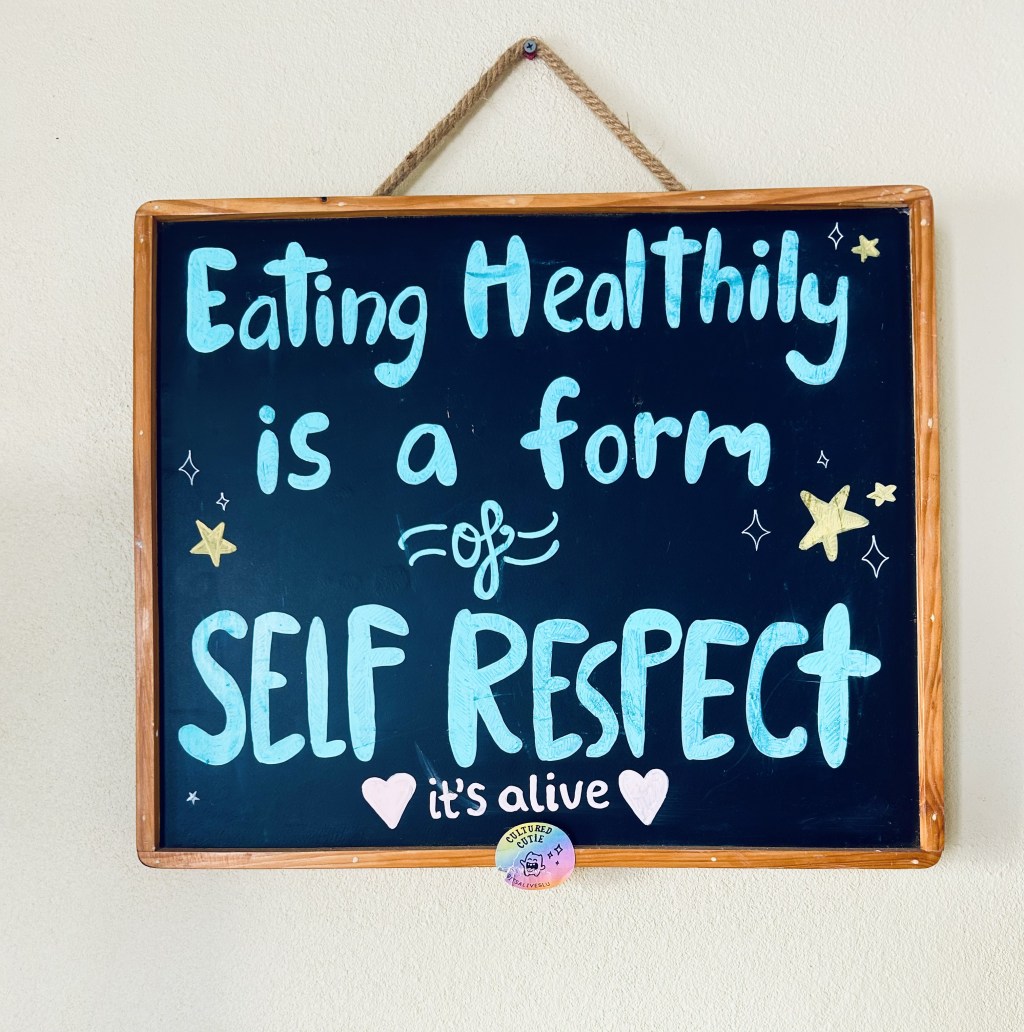
- Eating more frequent, protein rich meals helps to support an active or overactive nervous systems. This is hard for students/children because school days are not conducive to frequent snacking in later elementary grades, and often there are large stretches of not eating with rocket quick lunches to race outside for recess and socialization.
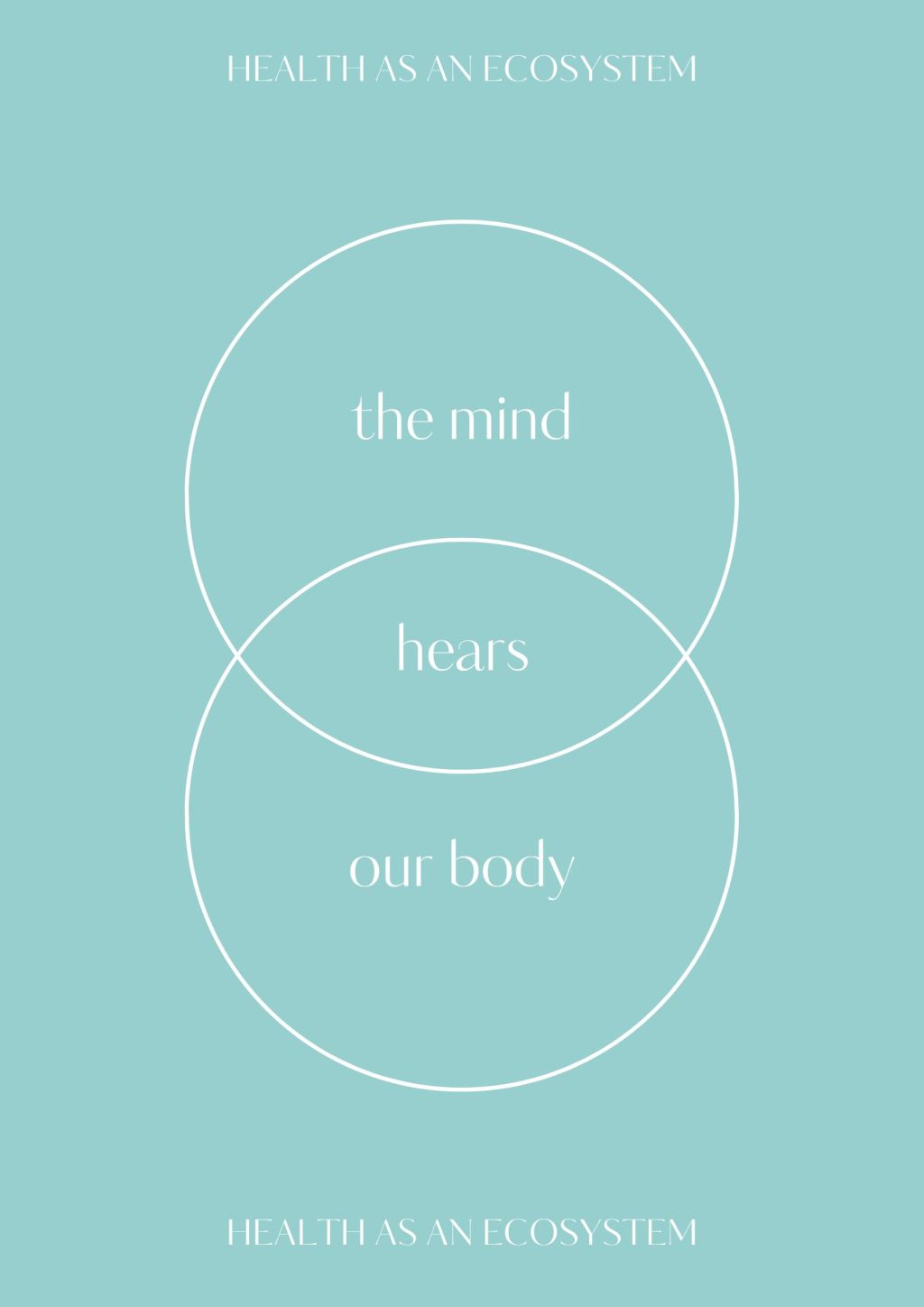
- Understand the whole body system is implicated – ADHD doesn’t exist in a vacuum and affects our hearts, connective tissues, early menses or menopause for women etc.
- Take your medication as prescribed. Have a strong relationship with your provider and notice how you feel on the meds. Some need very small or micro doses of stimulants to feel an effect, while others might need much more. It is directly tied to your delicate and complicated nervous system, so observations and feedback for your provider for optimal treatment are really important. Stimulants are the safest psychotropic medication despite the stigma and are highly effective. Also note that during hormonal fluctuations for men and women (adolescence and menopause/andropause) you should reassess your medication with your provider.
- Do not fall prey to pseudoscience, promises of “curing ADHD”, etc. it is a chronic condition that you manage for your whole lifetime. A small percentage of children will grow out of it. There are even highly “qualified” MDs that have recently done a great job of describing the condition, though connect it to trauma in childhood, and in particular mom’s ability to attune to her child. ADHD is 80 plus percent heritable, and while childhood trauma can contribute to creating the “right” environment to activate those genes, there is no research showing it is the cause of ADHD, while there are mountains of research showing heritability. I recommend choosing experts with years of experience for your guide in assembling your truth of ADHD (e.g., Kathleen Nadeau, PhD, Russell BarkleyPhD).
- Sleep. We thrive on structure, so please remember that sleep hygiene starts when we wake up. The more predictable our days are with food, exercise, socializing, and recovery rituals, the better we will sleep.
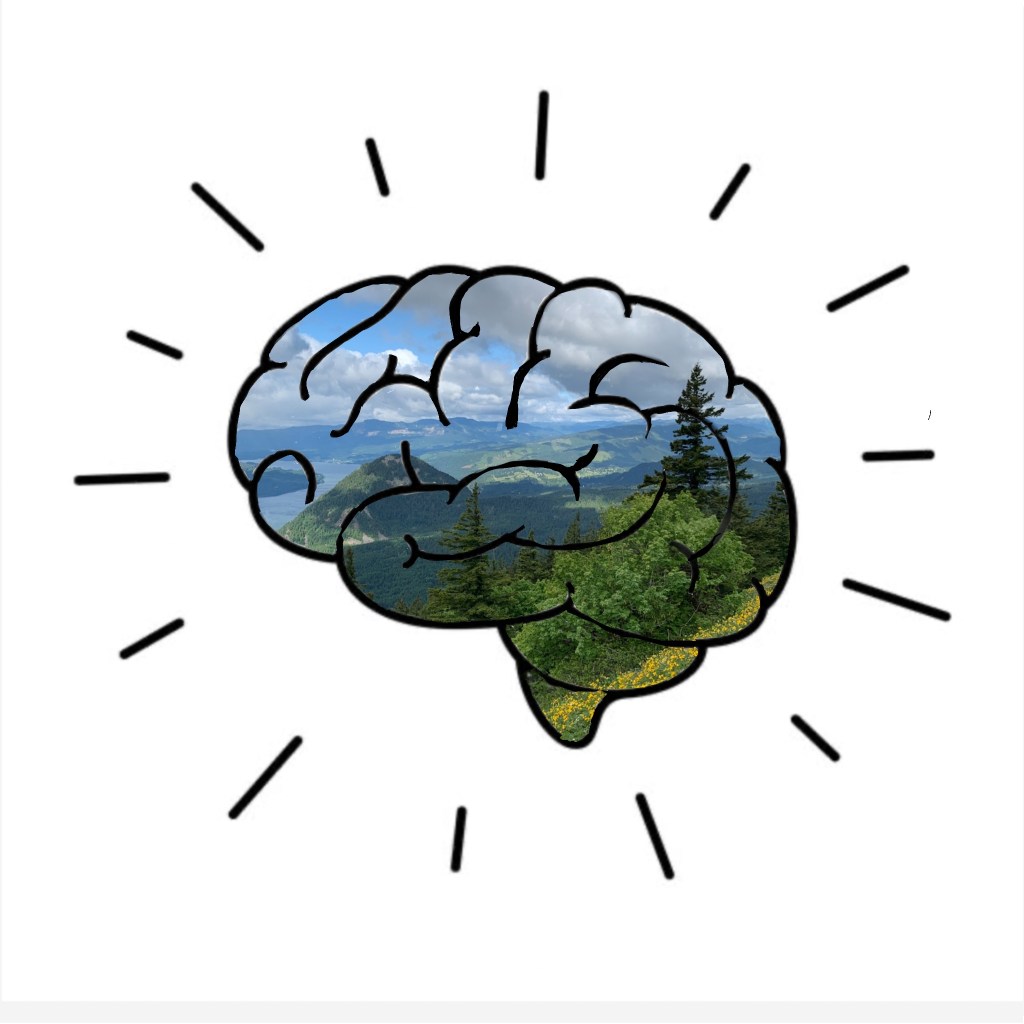
- Use your imagination – the energy in our ADHD brains is high: you will surprise yourself if you channel that energy into creative and imaginative problem solving and projects. The world holds no boundaries in our imaginations and our world will be better with your imagination flowing in it.
7 Habits of Highly Effective ADHDers
ADHD impacts self-regulation and executive functioning, necessitating awareness of individual challenges. Frequent, protein-rich meals support nervous systems, though school routines hinder snacking. Medication should be personalized, considering hormonal changes. ADHD is chronic, not curable, with high heritability. Expert guidance is essential, while structure and imagination promote well-being and creativity.








 Mindmarrow Counseling, PLLC