

Many professionals both clinical and research agree that ADHD is a misleading title for a condition, and the existing DSM and ICD criteria leave out a great deal of symptoms clusters that are present in ADHD girls, women and adults. The criteria are currently reflective of diagnosis of the 12 and under set that has been normed on young white males, much of which are highly irrelevant to adults and others (girls) who have learned adaptations at an early age in order to connect to their environments. I have heard on the inter webs “Motivation Disorder”, “Performance Disorder”, “Emotion Regulation Disorder” or more recently “Negative Attention Seeking Disorder” as alternative names for ADHD. Depending on the audience and symptoms presentation, all fit the bill in helping to reconsider presentation and treatment of ADHD.
“Attention Deficit” is the area the broad public generally lands on, where “spacing out” and “inability to focus” are the popular brand traits. While true for many, this leaves out the fact that while attention starved for mundane tasks ADHD’ers can hyper focus on things for better or worse in ways that the normative population may never experience in their life time. From a neurobiological standpoint “attention” disorder still fits the bill given the underlying brain patterns where the default mode network and the task networks give each other the wrong “attention” due to dopamine not functioning properly in the ADHD brain. That’s deeply simplifying the brain parts, though helps to give the title of “attention deficit” more nuance.
The most reliable moniker might be “executive function disorder”. Experts have discussed the importance of reframing ADHD in this light in order to better treat and understand it. So let’s just lay out what executive function (EF) exactly is. The simple answer is EF is the “air traffic control center” of your human existence. The EF center of our brains is full of competent individuals, with skills and known jobs to execute except that in the ADHD brain the individuals forget to clock into work sometimes, miss meetings, do not return calls, and forget to coordinate with co-workers.
Here are the 12 general EF areas – know that this is a complicated area that could technically be parsed out to 30 areas or more, for simplicity sake, let’s stick with 12 Venn circles of our EF. As you are reviewing these, and if you have ADHD, notice which ones stick out for you as an area of improvement or an area of strength:
- Response inhibition – self control, decision making, social interactions, emotion regulation
- Cognitive flexibility – switching between tasks or mental states, shift perspective with new information, adjust thinking or behavior to accommodate new data or unexpected info (key in social interactions, creativity, learning and coping with stress)
- Goal-directed persistence – focus, self-discipline, consistent effort (critical for career ambitions, fitness goals or studying/completing projects or exams)
- Stress tolerance – ability to endure, manage, and recover from stress or pressure without becoming overwhelmed. It reflects how well someone handles challenging situations, whether in work, relationships, health, or other areas of life.
- Sustained attention – mental endurance, focus on details, resistance to distractions, concentration (examples include driving, reading a book, studying, work tasks, staying safe)
- Task initiation – action oriented, overcoming mental blocks, starting without external prompts, overcoming procrastination
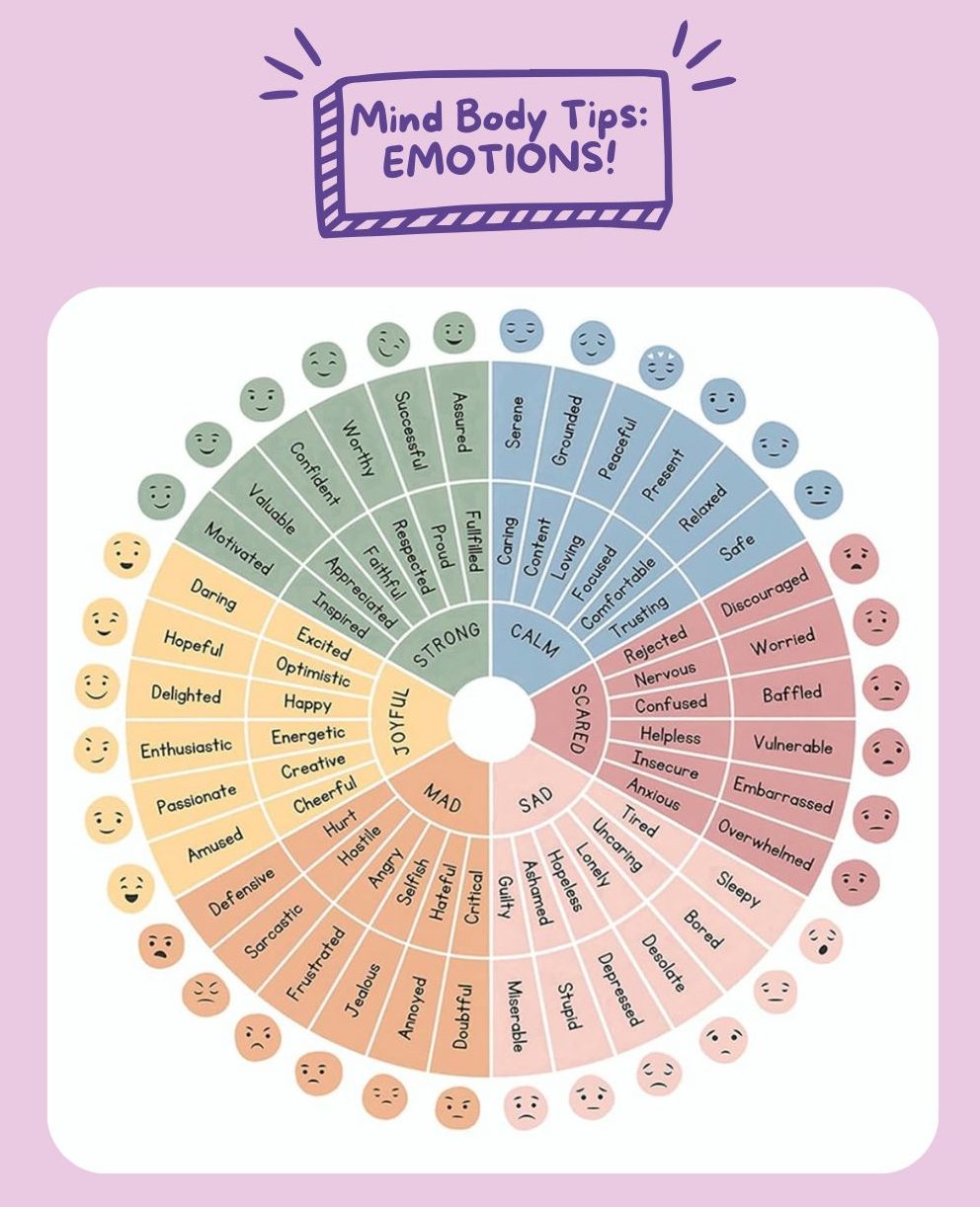
- Emotional control – regulating emotions calmly and thoughtfully, especially in challenging situations (key in supporting rational decision-making, healthy relationships, and effective coping with difficult emotions, contributing to emotional intelligence, well-being, and resilience).
- Organization – ability to systematically arrange and manage tasks, resources, or people to achieve goals (key in planning, prioritizing, and coordinating to ensure efficiency, focus, and productivity).
- Time management – planning, prioritizing, and using time effectively to accomplish tasks and meet goals which helps to balance responsibilities and reduce stress.
- Meta cognition – thinking about thinking, self awareness, self regulation, planning, monitoring, evaluating (critical for learning and problem solving).
- Working memory – temporary storage of data, supports reasons or planning, can only hold around 4-7 chances of information for all including neurotypical brains (examples include mental math, conversations, following directions, reading comprehension)
- Planning/prioritizing – breaking tasks into steps, setting goals, resource allocation, coping ahead or anticipating obstacles.
Reminder that all ADHD’ers do not find all of the above a challenge because they have successfully managed their ADHD with accommodations, exercise, med management as needed and deeper understanding of how to navigate their environments. Also, neurotypicals have EF challenges just the same if starved of sleep or food, excessive screen time and/or traumatic incidents that are unprocessed.













 Mindmarrow Counseling, PLLC