
Category: Tools
-

Body Hit:The Curious Case of Losing Touch With Our Bodies
How to recognize and heal ourselves from feeling lost and smoothered in relationships.
-
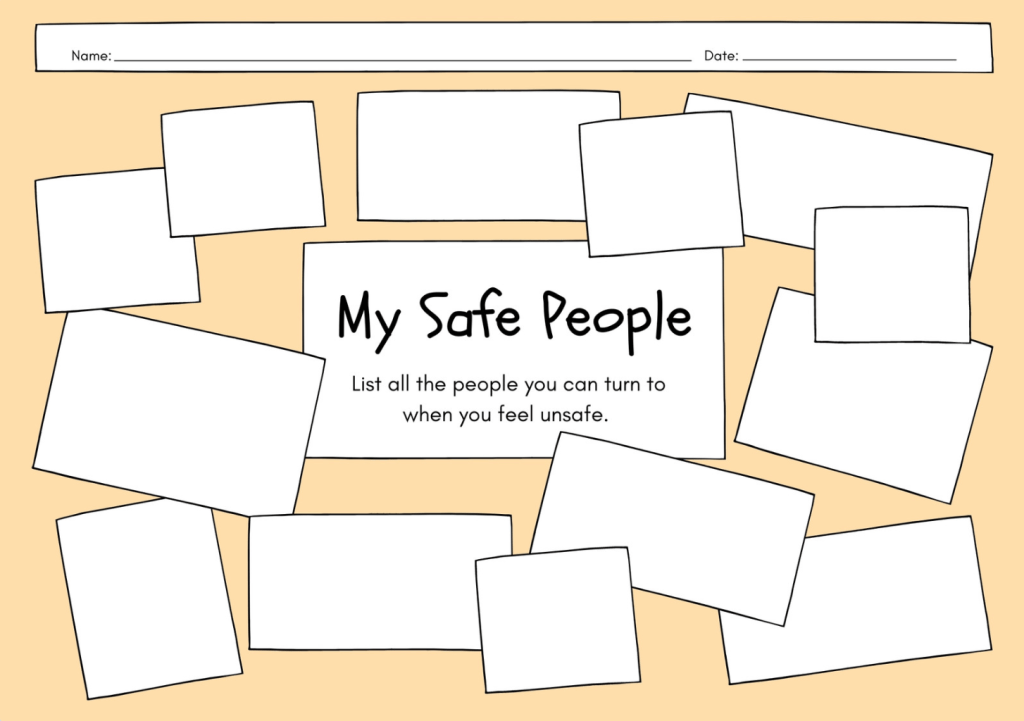
Relationship Audit
While I am a fan of challenging our comfort zones and not trying to stay in a “safe” zone all of the time, I am a proponent of having guidelines for what safe people and unsafe people in relationships might look like. This is less to be judgmental of others, and more to have clear…
-
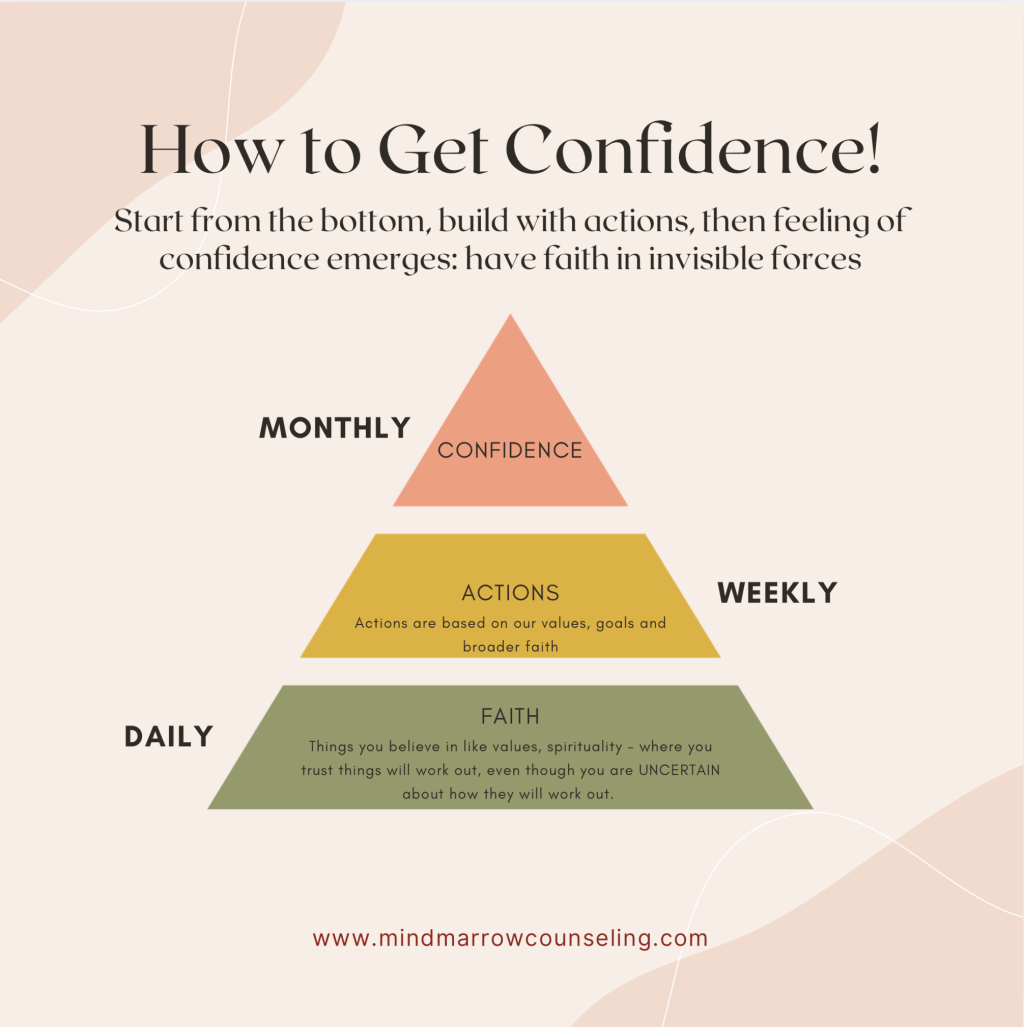
An Equation for Confidence
I frequently meet clients on intake where either years of internal messaging, or sometimes one intense moment has sprouted a fountain of low self worth. Often there are unconscious patterns that stem from early childhood where the curtains looks like an embarrassing moment, a break up, a lost job etc though the main event is…
-
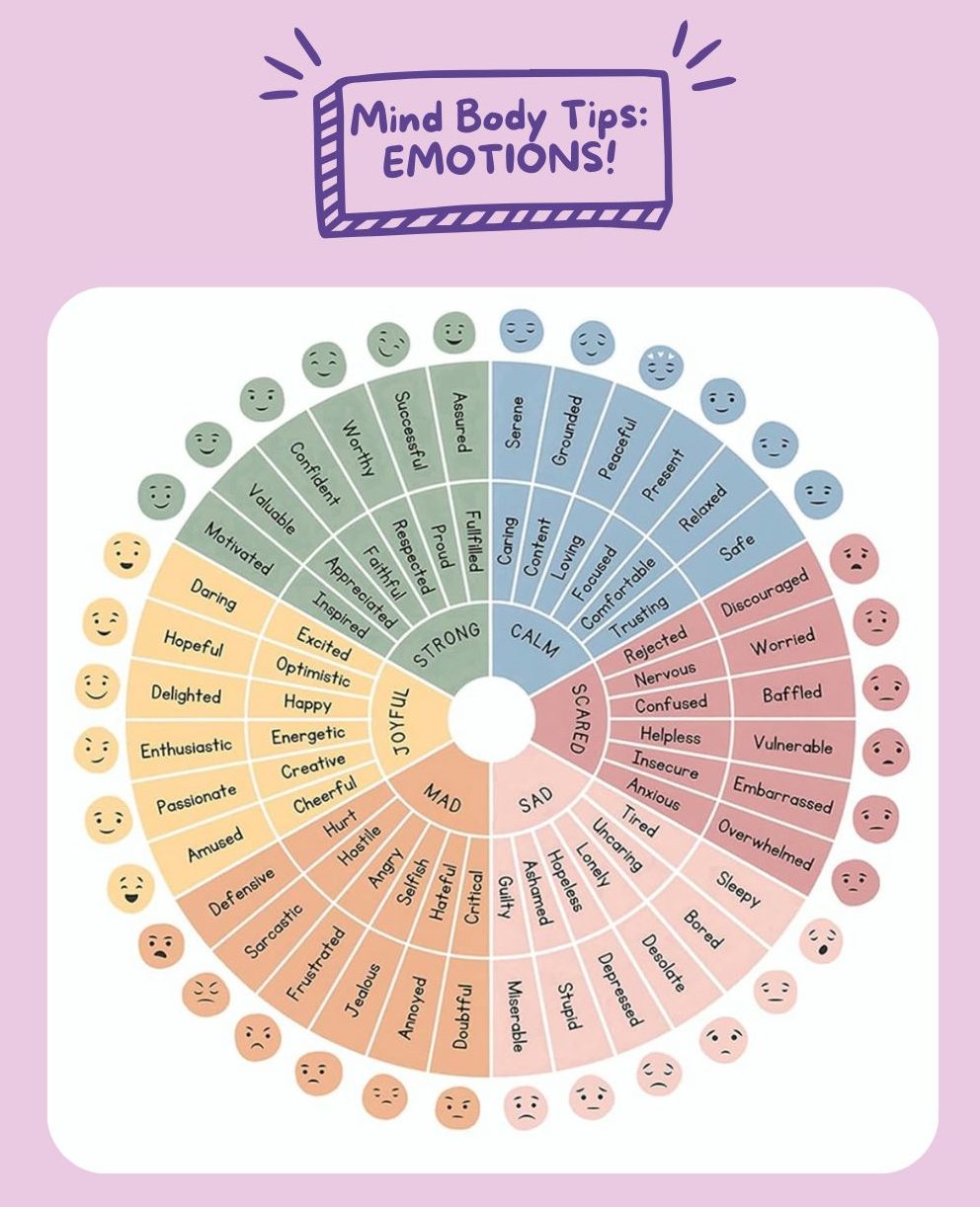
Mind Body Tips – EMOTION
I’ve been asked this past year by the terrific pediatricians at Evergreen Pediatric to create /write mental health tips for their community. I decided to emphasize the mind-body connection as it’s so important to know from a young age to understand how interconnected our minds and bodies are. The tips are meant to be evidence-based,…
-

101 Ways to Play Outdoors
Playing outdoors is a year round imperative, here are some that might inspire you in summer.
-
The Diagnosis Divide: Why Thorough Matters & How to Ask for It
Understanding the Gaps in Mental Health Evaluation—and How to Advocate for What You Need
-
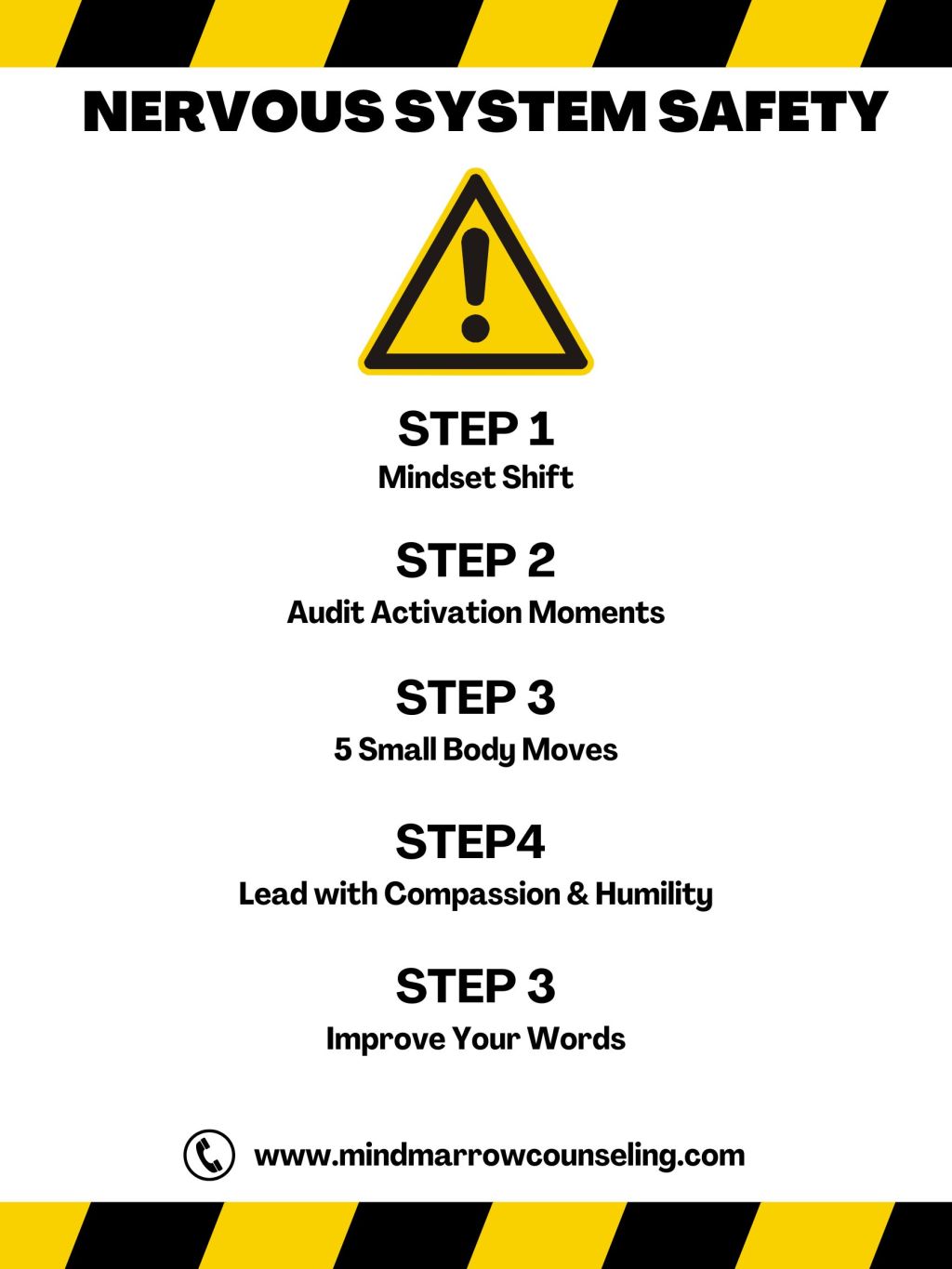
5 Steps to Nervous System Safety
An important reframing of our nervous system to stay more regulated and connected to our environments.
-

Understanding the Mental Health Provider Landscape
How to choose the best provider for your mental health needs.
-
Bottom Up or Top Down?
An exploration of sensory versus cognitive therapy As humans, we respond to our environment (e.g., friends, sound, food, stress, light, news) in two general ways: through bottom-up responses and top-down responses. We often feel our emotions in our bodies before we consciously think about them. Since our brains are essentially guessing machines, the narrative we…
-
50 Ways to Take a Break
Research shows that taking small breaks or “micro breaks” throughout the day will increase performance, decrease fatigue and contribute to a feeling of overall wellbeing. When we are depressed planning out pleasant activities throughout the week can be beneficial to shifting our mood and significantly reduce symptoms of depression. Choose from the activities below and…
-
Good Enough: The Fallacy of Perfection in Relationships
“Good enough” is the safest and most profound way of being that we can embrace relationships as humans. Yet, it often feels like the most unimaginable, mid-level “meh” in a world that constantly presents the “right way,” the “wrong way,” and the “perfect way.” The truth is, ALL relationships—whether between friends, parents and children, or…
-
7 Habits of Highly Effective ADHDers
ADHD impacts self-regulation and executive functioning, necessitating awareness of individual challenges. Frequent, protein-rich meals support nervous systems, though school routines hinder snacking. Medication should be personalized, considering hormonal changes. ADHD is chronic, not curable, with high heritability. Expert guidance is essential, while structure and imagination promote well-being and creativity.
-

Independence Training 101
7 Tips For Parents All children and adolescents live daily without fully functioning executive function areas of the brain—the prefrontal cortex fully develops around age 25, unless there are underlying brain processing issues. Between birth and that time, there is a long skill-building period where we train our brains through experiences. It is through experience…
-
ADHD & Gaming
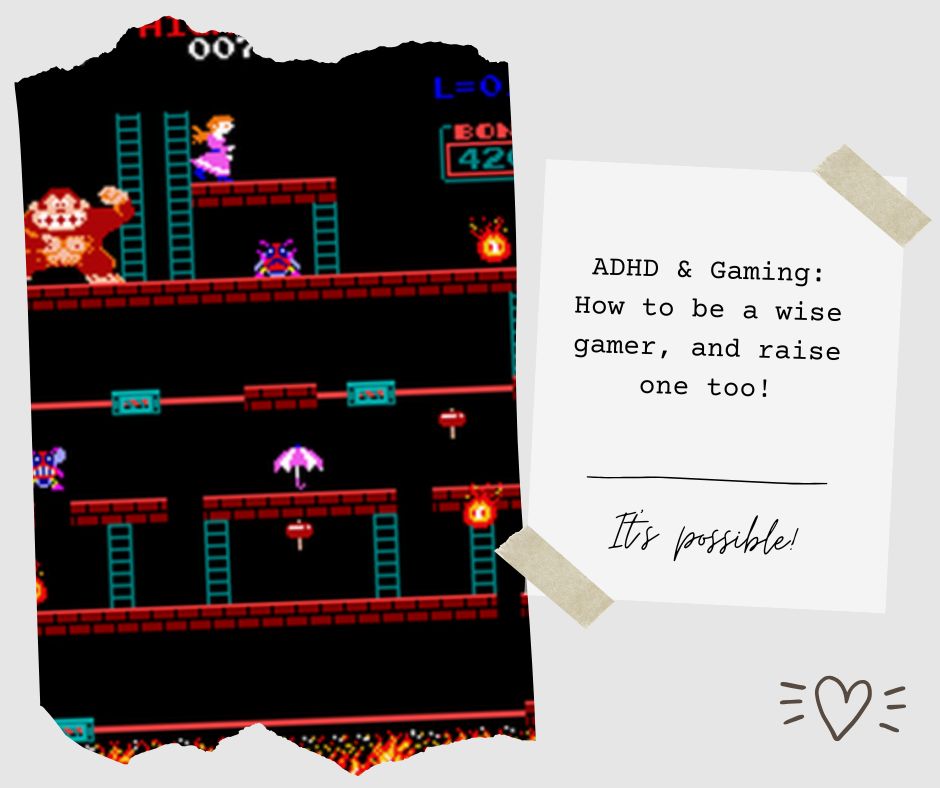
Gaming is thrilling, addictive, and relaxing all at once, especially for those with ADHD. The constant dopamine rush from screens affects everyone, but for ADHD brains, gaming can feel like a trip to the brain spa. This is both a blessing and a red flag. It is also fueled by a major industry clamoring for…
-

Love & Bonding
(image description: “Me and My Parents”, 1976, David Hockney) Love is the most important, most invisible, and most powerful energy force for humans. All of us love in one way or another: on our sleeves, in our bedrooms, quietly, loudly, secretly, performatively, authentically, unapologetically, deeply, and so on. There is family love, romantic love, awe…
· Tools -
Prescription for Changes in Thinking
I was asked recently by a medical professional “what is CBT”? Cognitive Behavioral Therapy (CBT) is a manual-based modality that is insurance approved and “evidence based” (in quotes because so much of the matters of the mind in science are hard to quantify and in art and science circles we need to bring pause to…
· Tools -
Learning to Love Ourselves with ADHD
Because of attachment challenges while living with ADHD we are often left confused, doubtful or misguided when it comes to matters of intimacy and relations with others. Thanks to being born with hypersensitivity, we have an exaggerated sense of being rejected. The connections between our frontal cortex and lower brain centers are not developed optimally…
 Mindmarrow Counseling, PLLC